
Types of Strains & Sprains
A detailed guide to soft tissue injuries by body region, including causes, symptoms, typical severity, and expected healing timelines for each injury type.
Muscle or Tendon Injury
A strain occurs when muscle fibers or the tendons that attach muscles to bones are stretched beyond their capacity or torn. Strains happen from overuse, force, or overstretching.
Ligament Injury
A sprain involves stretching or tearing of ligaments, the fibrous bands connecting bone to bone at joints. Sprains result from twisting, falling, or impact that forces a joint beyond its normal range.
Severity Grading Scale
Shoulder & Arm
2 injuries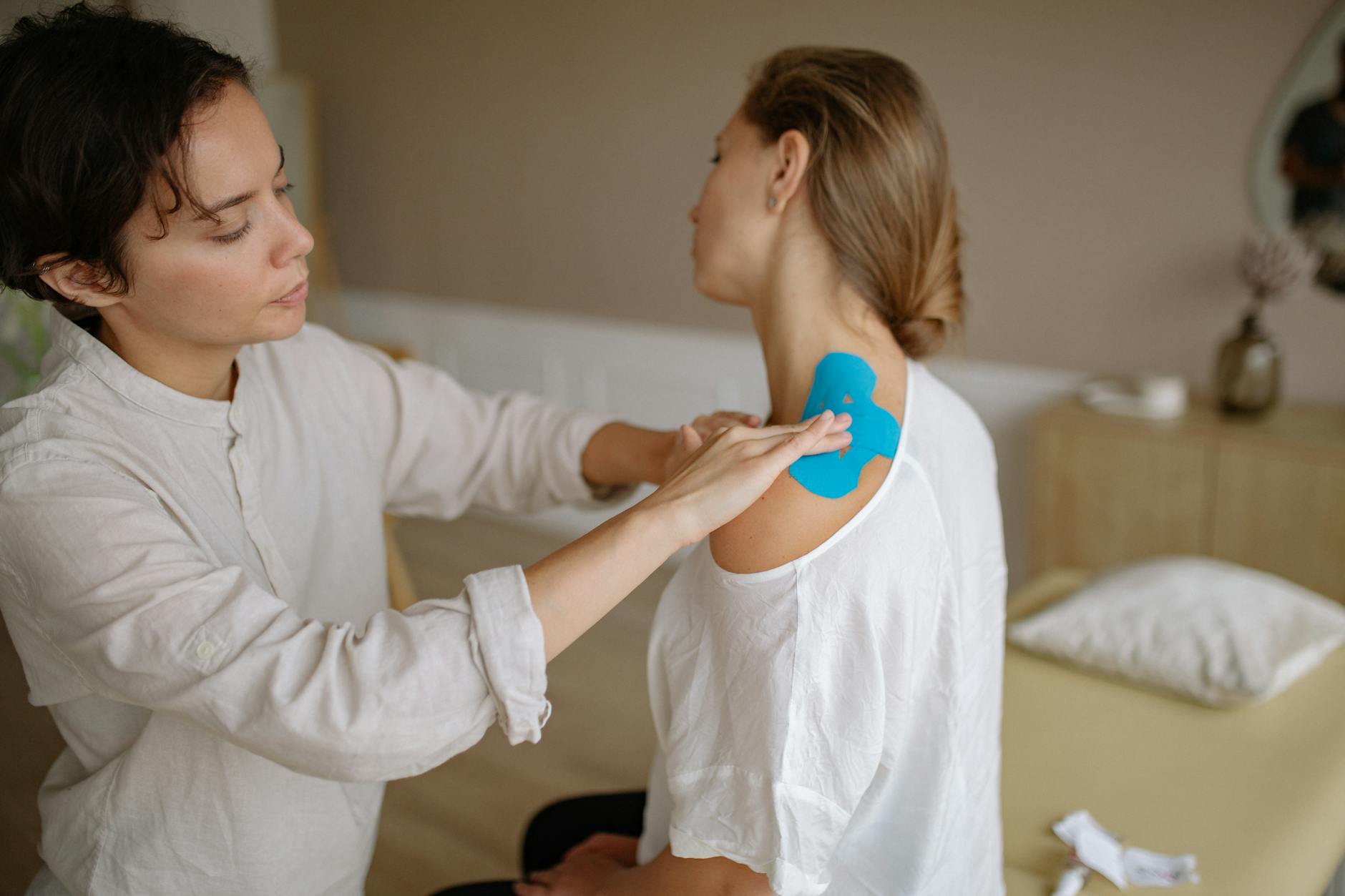
Rotator Cuff Strain
Typically Grade I-IIThe rotator cuff is a group of four muscles and tendons that stabilize the shoulder joint. Strains range from mild inflammation to complete tears, most commonly affecting the supraspinatus tendon.
AC Joint Sprain
Grade I-IIIThe acromioclavicular joint connects the collarbone to the shoulder blade. Sprains here are graded I through VI, with Grade III and above often showing a visible bump (step deformity) on top of the shoulder.
Back & Core
2 injuries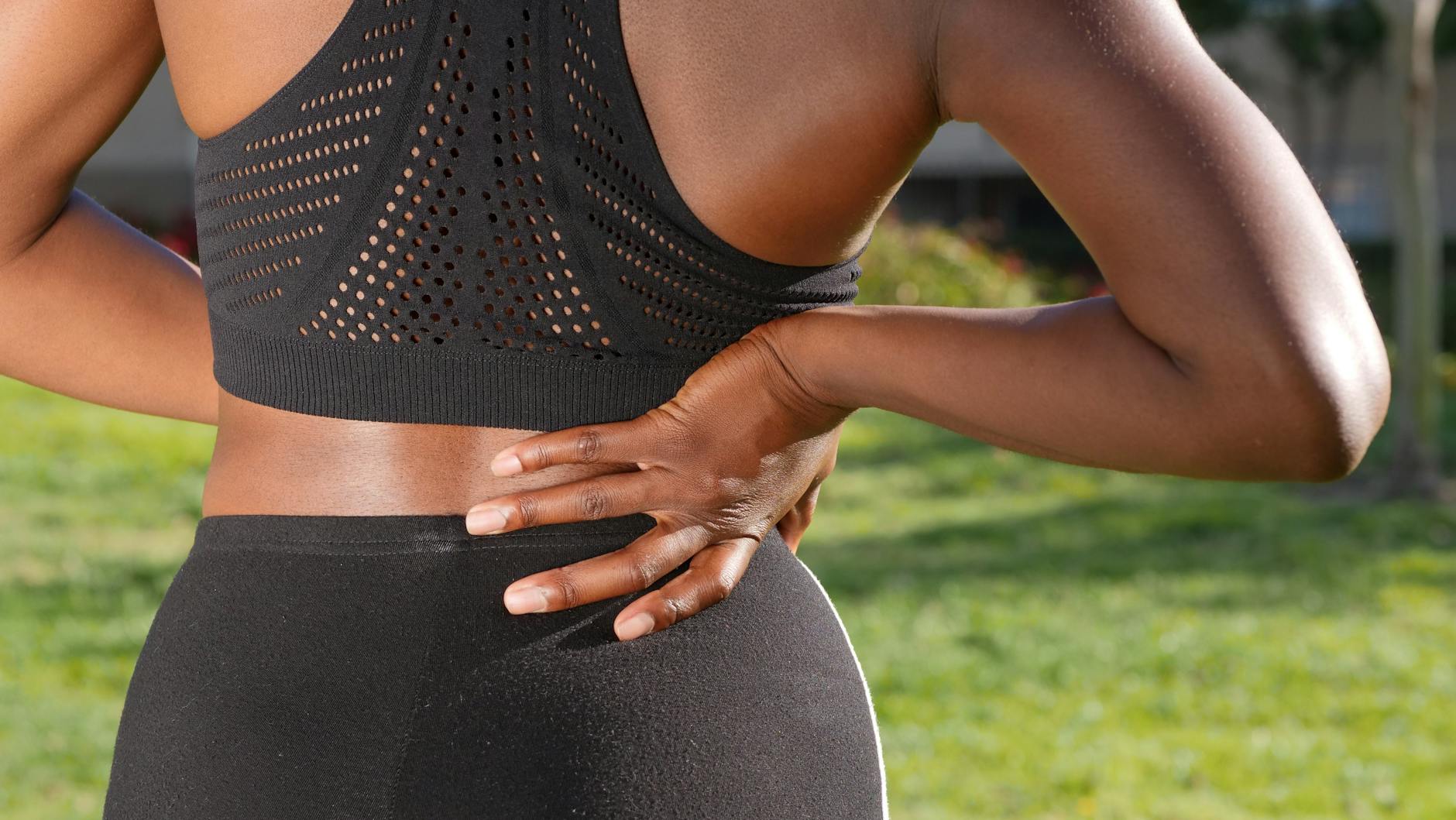
Lumbar (Low Back) Strain
Typically Grade IThe most common type of back injury, accounting for the majority of all back pain complaints. The lumbar paraspinal muscles and their tendons can be strained through overloading, awkward movement patterns, or cumulative microtrauma from poor posture.
Thoracic Sprain
Typically Grade IThe thoracic spine is naturally more stable than the lumbar region due to rib cage support, making thoracic sprains less common but often more painful when they do occur. They frequently involve the costovertebral joints where ribs meet the spine.
Hip & Groin
2 injuriesGroin Pull (Adductor Strain)
Grade I-II commonGroin strains involve the adductor muscle group on the inner thigh. They are among the most common injuries in soccer, hockey, and football, with high recurrence rates if rehabilitation is incomplete.
Hip Flexor Strain
Grade I-II commonThe hip flexors (primarily iliopsoas and rectus femoris) lift the thigh toward the trunk. Strains commonly affect runners, martial artists, and soccer players, and can become chronic if not properly rehabilitated.
Thigh
2 injuries
Hamstring Strain
Grade I-IIIHamstring strains are one of the most common and frustrating sports injuries due to high recurrence rates (up to 30%). The biceps femoris is most commonly affected, especially at the musculotendinous junction. Proper eccentric strengthening during rehab is essential to prevent reinjury.
Quadriceps Strain
Typically Grade I-IIThe rectus femoris is the most commonly strained quad muscle because it crosses both the hip and knee joints, making it vulnerable during activities that combine hip extension with knee flexion. Common in soccer, rugby, and track and field.
Knee
3 injuries
MCL Sprain (Medial Collateral Ligament)
Grade I-IIIThe MCL stabilizes the inner side of the knee. It is the most commonly sprained knee ligament, often seen in contact sports. The good news is that the MCL has excellent blood supply and most MCL sprains heal without surgery, even Grade III injuries.
ACL Sprain (Anterior Cruciate Ligament)
Often Grade IIIACL injuries are among the most significant knee injuries in sports. Unlike the MCL, complete ACL tears rarely heal on their own due to poor blood supply. Approximately 200,000 ACL injuries occur annually in the United States, with female athletes at 2 to 8 times higher risk than males in comparable sports.
Meniscus Injury
Variable severityThe menisci are C-shaped cartilage pads that cushion the knee joint. Tears can be acute (from a specific injury) or degenerative (from wear and tear). The outer third of the meniscus has better blood supply ("red zone") and heals more reliably than the inner portion ("white zone").
Ankle & Foot
3 injuries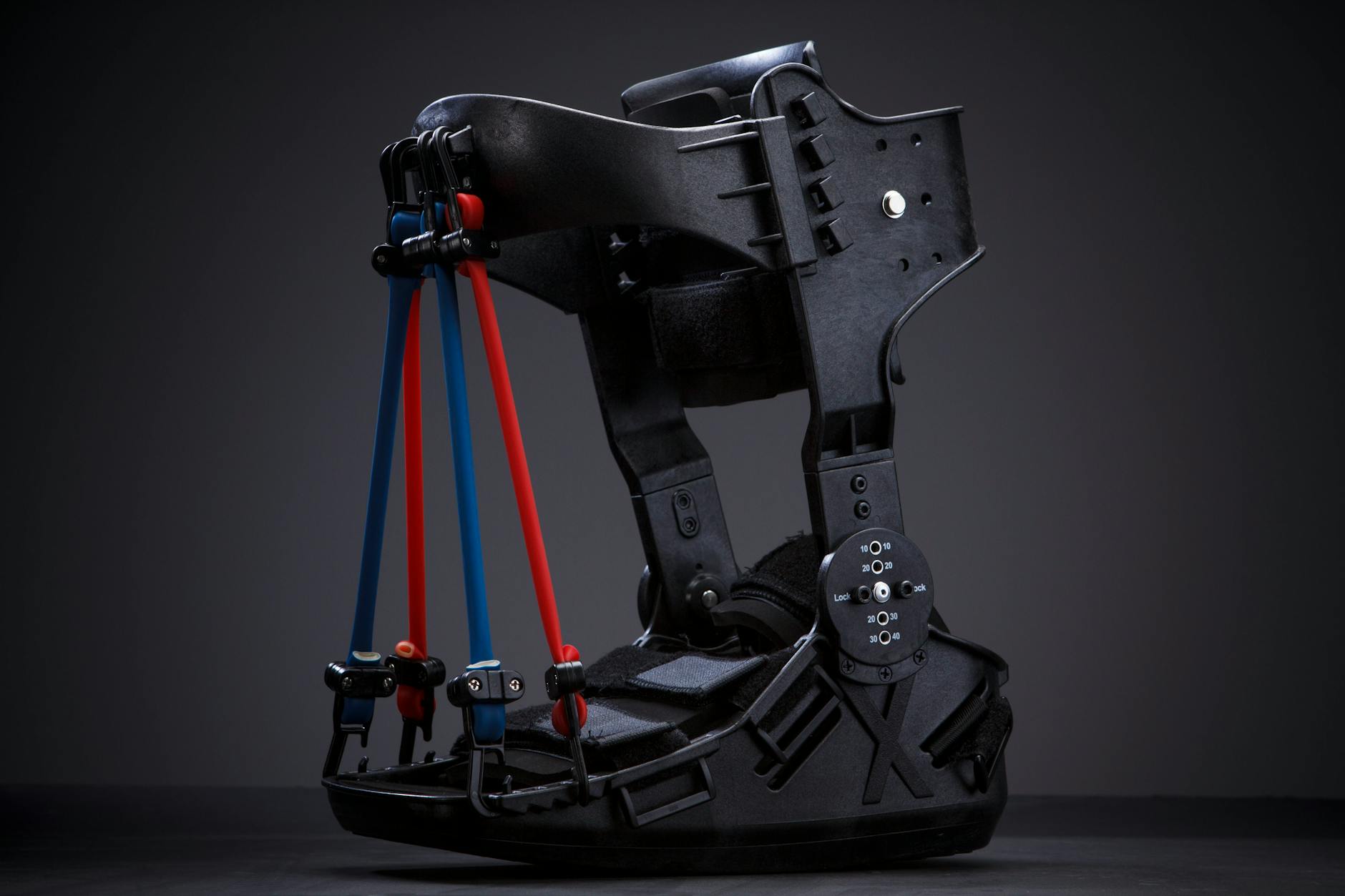
Lateral Ankle Sprain
Grade I-IIIThe single most common sports injury worldwide. The anterior talofibular ligament (ATFL) is most commonly affected. An estimated 25,000 lateral ankle sprains occur daily in the United States. Up to 40% develop chronic ankle instability if not properly rehabilitated.
Medial Ankle Sprain (Deltoid)
Often Grade IILess common than lateral sprains because the deltoid ligament is considerably stronger. When they do occur, medial sprains are often more severe and may be associated with fractures (particularly fibula fractures). Always rule out a Maisonneuve fracture with medial ankle pain.
High Ankle Sprain (Syndesmosis)
Grade II-III commonThe syndesmosis connects the tibia and fibula above the ankle joint. High ankle sprains are less common (about 10% of all ankle sprains) but significantly more debilitating and slower to heal. They are often misdiagnosed as simple lateral sprains, leading to prolonged recovery.
Wrist & Hand
2 injuries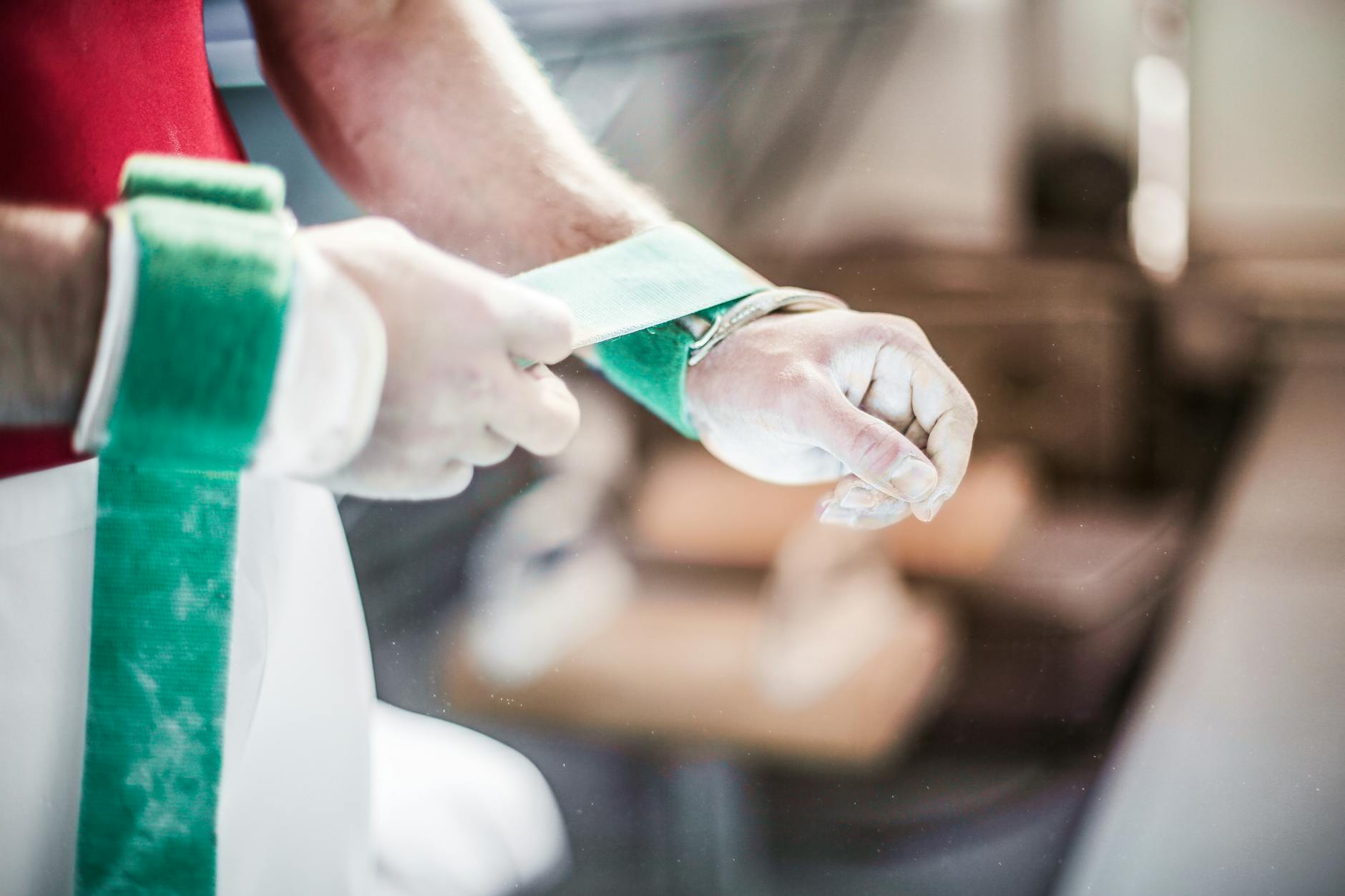
Gamekeeper's Thumb (UCL Sprain)
Grade I-IIIInjury to the ulnar collateral ligament at the base of the thumb. Originally described in Scottish gamekeepers who repeatedly stressed this ligament while breaking the necks of rabbits. Today it is most commonly seen in skiing (from pole grip) and ball sports.
Wrist Sprain
Typically Grade IThe wrist contains multiple small ligaments connecting the carpal bones. Most wrist sprains involve the scapholunate ligament. Important to rule out scaphoid fracture, which can mimic a wrist sprain and lead to avascular necrosis if missed.